
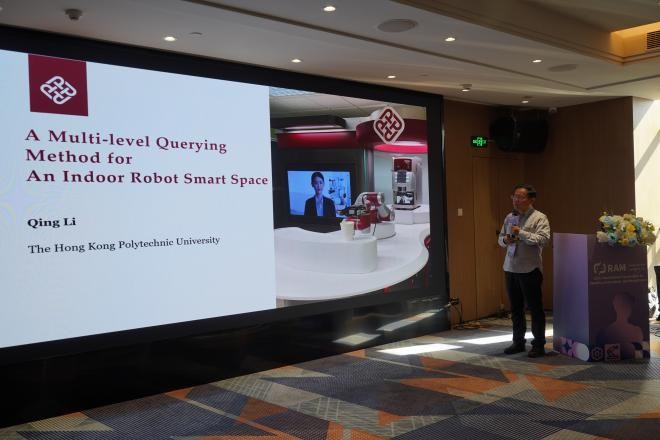
Distinguished Guests, Esteemed Speakers, Respected Colleagues, and Participants, It is with great pleasure
and honor that we welcome you to the 2026 International Conference on Robotics, Automation and Mechatronics
(RAM 2026). On March 14, 2026, this grand academic event was successfully held in Guangzhou, China—a dynamic
metropolis blending profound cultural heritage with cutting-edge technological innovation. This vibrant city
is celebrated for its unique integration of tradition and modernity and world-class advancement in
intelligent manufacturing, industrial technology, and mechatronic engineering—perfectly aligning with the
core spirit of our conference.
As a pivotal platform for global academic exchange, RAM 2026 has brought together academic elites, experts
and scholars in the fields of robotics, automation and mechatronics. In the following sessions, many
distinguished experts and young scholars will deliver presentations, and we anticipate an enthusiastic
atmosphere throughout the conference, where participants will exchange insights on the latest cutting-edge
issues and achievements, and discuss state-of-the-art research outcomes, technological innovations and
application cases in these core fields.
Fundamentally, RAM 2026 is committed to promoting meaningful academic exchanges between global academic and
industrial participants. Through experience sharing and idea collisions, the conference strives to advance
the transformation of scientific research achievements, and gather talents, technologies and capital—goals
that are closely linked to our core theme this year.
Focusing on Robotics, Automation and Mechatronics, our conference theme is particularly timely and
compelling as the technological age grapples with unprecedented opportunities and challenges—spanning
autonomous navigation, multimodal perception, human-robot collaboration, intelligent control systems,
precision mechatronic design, and beyond. We are thrilled to explore how cutting-edge innovations—from
generative AI and large language models in robotics, ROS 2.0, and bionic/soft robot design to digital twins,
reinforcement learning, and AI-driven fault diagnosis—can propel the advancement of these three core fields,
enhance industrial production capabilities, and unlock new potentials for smart manufacturing, intelligent
logistics, agricultural automation, and advanced industrial applications worldwide.
We are privileged to have with us an exceptional lineup of keynote speakers. During the keynote session,
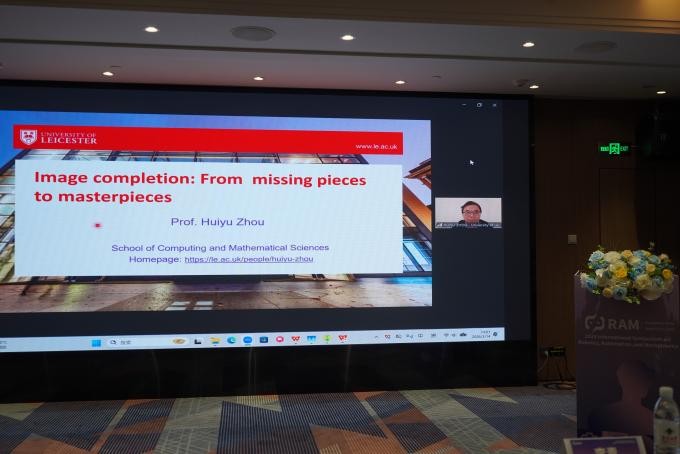
five distinguished experts, namely Qing Li, Quanxin Zhu, Simon K.S. Cheung, Huiyu Zhou, and Xiaodong Xu,
delivered insightful keynote reports. They shared cutting-edge research achievements in the fields of
robotics, automation and mechatronics, inspiring all participants and presenting a rich, high-level and
forward-looking academic feast.
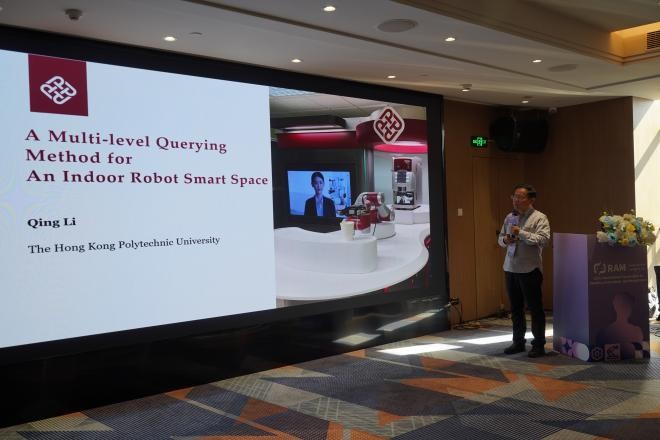 Prof. LI Qing, The Hong Kong Polytechnic University
|
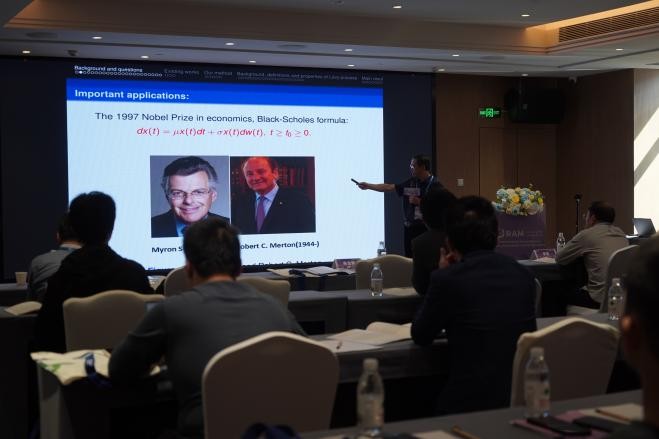 Prof. Quanxin Zhu, Hunan Normal University
|
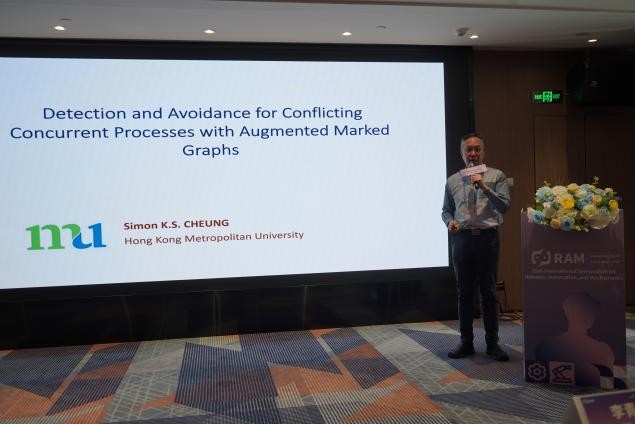 Prof. Simon K.S. Cheung, Hong Kong Metropolitan University
|
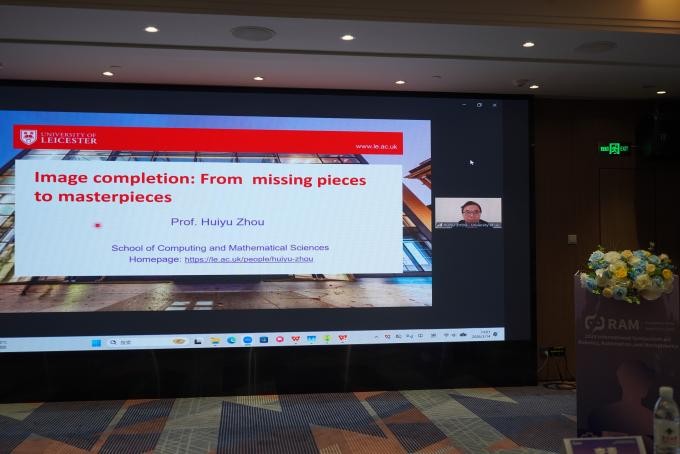 Prof. Huiyu Zhou, University of Leicester
|
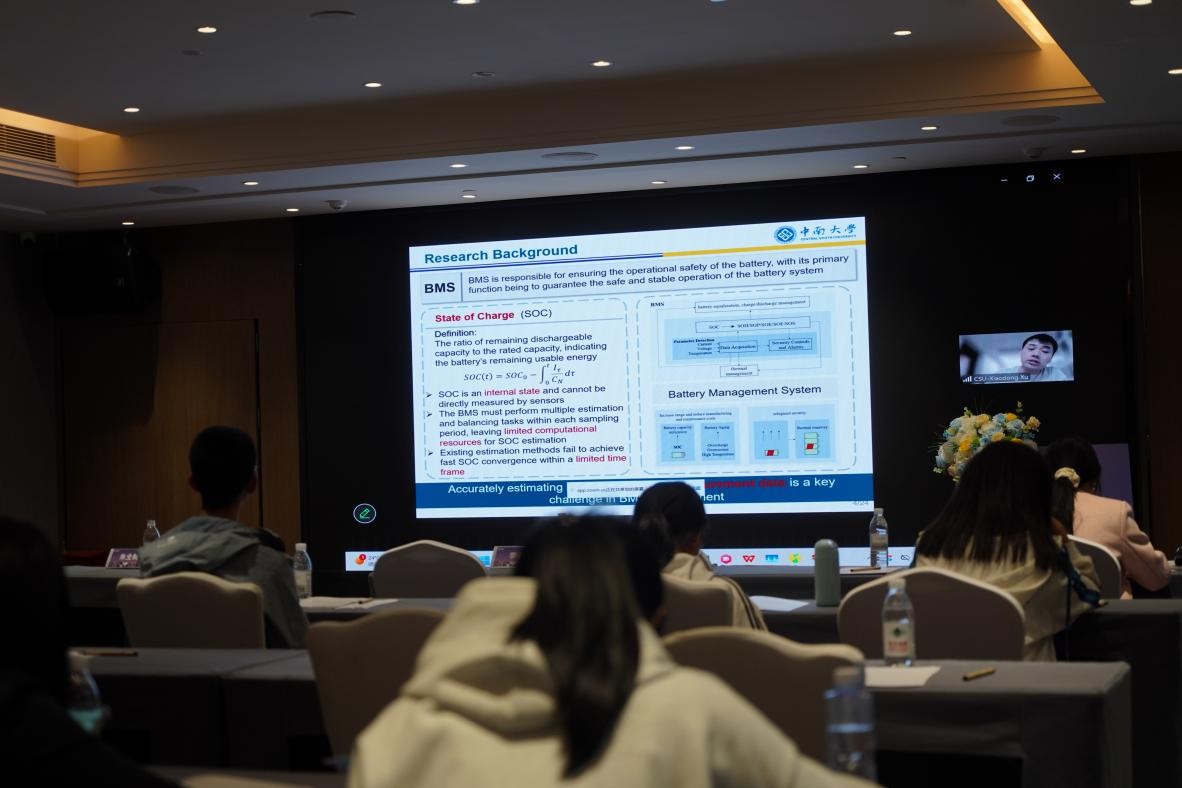 Prof. Xiaodong Xu, Central South University
|
|
After the keynote speeches by the distinguished guests, the session moved on to the oral presentation segment. Three oral presenters delivered academic reports and conducted discussions around the conference theme. The on-site atmosphere for sharing and communication was enthusiastic, which promoted academic exchanges in the fields of robotics, automation and mechatronics.
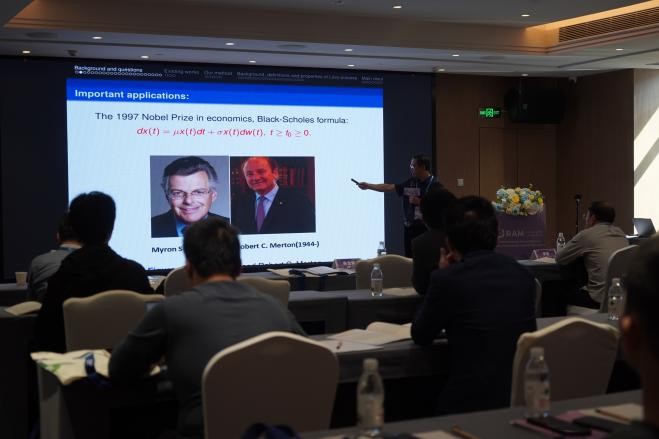
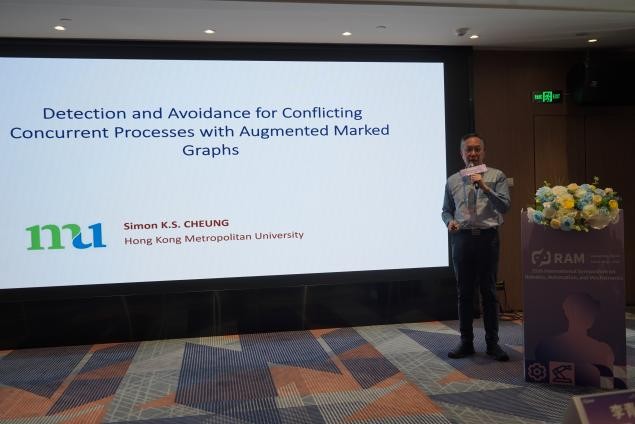
RAM 2026 has provided an outstanding platform for all participants to exchange ideas, share experiences and inspire innovations, injecting new vitality and momentum into the progress of robotics, automation, and mechatronics.
We sincerely extend our deepest gratitude to all the distinguished speakers, presenters, authors, participants, and organizers for their valuable support, enthusiastic participation and generous contributions. With joint efforts, the conference has achieved a complete success.
We believe that with continuous advances in science and technology and growing social demands, robotics, automation and mechatronics will embrace an even broader space for development and a brighter future.